
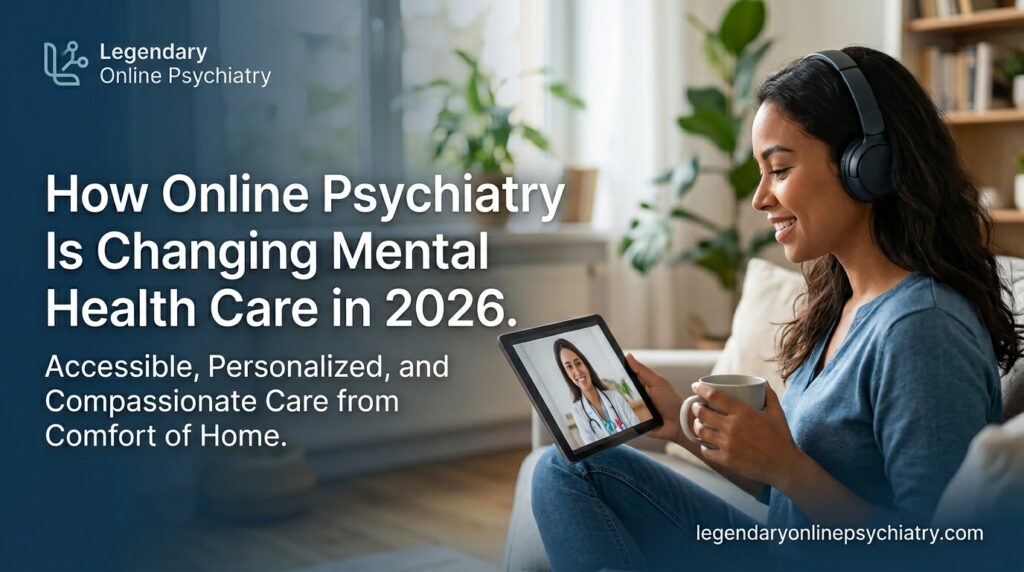
Mental health care is evolving faster than ever, and one of the biggest transformations is happening through virtual treatment platforms. How Online Psychiatry Is Changing Mental Health Care in 2026 is no longer just a discussion topic for healthcare professionals — it is becoming a reality for millions of people worldwide. From remote therapy sessions to digital medication management, online psychiatry is reshaping how patients access mental health support.
As more people seek convenient, affordable, and confidential care, telepsychiatry services are becoming a preferred solution. Platforms like Legendary Online Psychiatry are helping bridge the gap between patients and licensed mental health professionals, making quality psychiatric care more accessible than ever before.
Why Online Psychiatry Is Growing Rapidly
The demand for mental health services has increased significantly in recent years. Anxiety, depression, stress-related disorders, and burnout have become more common due to modern lifestyle pressures, economic uncertainty, and digital overload.
This is exactly why How Online Psychiatry Is Changing Mental Health Care in 2026 has become such an important topic. Patients no longer want to wait weeks for appointments or travel long distances for care. Instead, they prefer secure online consultations that fit into their daily schedules.
Several key factors are driving this growth:
- Better internet connectivity worldwide
- Increased acceptance of telehealth services
- Improved digital healthcare platforms
- Greater awareness about mental health
- Flexible access to licensed psychiatrists
According to World Health Organization, mental health support remains one of the most critical healthcare priorities globally. Online psychiatry is helping meet that growing demand efficiently.
How Online Psychiatry Is Changing Mental Health Care in 2026 Through Accessibility
One of the biggest advantages of online psychiatry is accessibility. Many individuals living in rural or underserved areas struggle to find experienced mental health professionals nearby. Telepsychiatry removes geographical barriers completely.
Patients can now:
- Book virtual psychiatric evaluations
- Receive online therapy sessions
- Access medication management remotely
- Attend follow-up appointments from home
- Get mental health support discreetly
This shift is particularly important for people with mobility challenges, social anxiety, or demanding work schedules. Instead of spending hours commuting, they can receive care using a smartphone, tablet, or laptop.
The convenience factor is dramatically improving treatment consistency and long-term mental wellness outcomes.
The Rise of Personalized Digital Mental Health Care
Another reason How Online Psychiatry Is Changing Mental Health Care in 2026 matters is personalization. Modern digital psychiatry platforms use technology to create highly customized treatment plans.
Psychiatrists today can track:
- Mood patterns
- Sleep quality
- Medication responses
- Anxiety triggers
- Behavioral changes
This data-driven approach allows providers to adjust treatment plans faster and more accurately. Patients benefit from more responsive care and better long-term management of mental health conditions.
Artificial intelligence tools are also supporting psychiatrists by identifying behavioral trends and helping improve patient engagement. While technology does not replace human professionals, it enhances the overall quality of care.
Virtual Psychiatry Is Reducing Mental Health Stigma
For many people, stigma remains a major barrier to seeking help. Traditional in-person visits can feel intimidating or uncomfortable, especially for first-time patients.
Online psychiatry offers greater privacy and comfort. Patients can speak with licensed psychiatrists from their own homes without worrying about waiting rooms or social judgment.
This increased sense of privacy encourages more individuals to seek treatment earlier rather than waiting until symptoms worsen.
As conversations around mental health continue evolving online, younger generations are becoming more open to therapy and psychiatric support. Social platforms, digital communities, and educational resources are helping normalize mental health discussions in ways that were not possible a decade ago.
Technology Is Improving Psychiatric Treatment Outcomes
Technology is playing a central role in How Online Psychiatry Is Changing Mental Health Care in 2026. Advanced digital systems now support better communication between patients and providers.
Some innovations include:
Secure Video Consultations
Encrypted video platforms ensure patient confidentiality while delivering real-time psychiatric care.
Mobile Mental Health Apps
Patients can monitor symptoms, schedule appointments, and access coping tools directly from their phones.
Electronic Prescriptions
Psychiatrists can securely send prescriptions to pharmacies, reducing delays in treatment.
Digital Cognitive Behavioral Therapy
Online CBT programs are helping patients manage anxiety, depression, and stress through guided exercises and structured therapy techniques.
Organizations like National Institute of Mental Health continue to highlight the importance of expanding digital mental health services to improve public health outcomes.
How Online Psychiatry Is Changing Mental Health Care in 2026 for Working Professionals
Busy professionals are among the biggest beneficiaries of telepsychiatry. Long work hours, remote jobs, and digital burnout are increasing stress levels across industries.
Online psychiatry provides flexible scheduling options, including evening and weekend appointments. This makes it easier for professionals to prioritize mental health without disrupting their careers.
Common concerns addressed through virtual psychiatry include:
- Workplace stress
- Burnout
- Anxiety disorders
- Sleep disturbances
- Depression
- ADHD management
The convenience of remote care also improves appointment attendance and treatment consistency, leading to better recovery outcomes.
Mental Health Care for Younger Generations
Gen Z and Millennials are driving the rapid adoption of online mental health services. These generations are already comfortable using digital platforms for communication, education, shopping, and healthcare.
Because of this, How Online Psychiatry Is Changing Mental Health Care in 2026 is especially relevant for younger audiences.
Young adults often prefer:
- Text-based appointment reminders
- Online scheduling systems
- Video consultations
- Mobile mental health tools
- Digital wellness resources
Mental health providers are adapting their services to meet these expectations while maintaining high standards of clinical care.
Interestingly, even unrelated online search trends like “dirt bike graphics” demonstrate how digital-first audiences consume information today. Whether searching for mental health support or customizing hobbies online, users increasingly expect fast, accessible, and user-friendly digital experiences.
Challenges Still Facing Online Psychiatry
Despite its rapid growth, online psychiatry still faces several challenges.
Internet Accessibility
Not all patients have reliable internet access or modern devices.
Licensing Regulations
Different regions may have varying telehealth laws and psychiatric licensing requirements.
Severe Psychiatric Emergencies
Some complex mental health crises still require in-person intervention and emergency support.
Digital Privacy Concerns
Patients want reassurance that their sensitive medical information remains secure.
However, healthcare providers and technology companies continue working to improve infrastructure, compliance, and cybersecurity standards.
Tips for Choosing the Right Online Psychiatry Platform
If someone is considering virtual psychiatric care, choosing the right provider is essential.
Here are some practical tips:
- Verify psychiatrist credentials and licensing
- Check patient reviews and testimonials
- Ensure HIPAA-compliant technology
- Review appointment flexibility
- Compare pricing and insurance options
- Look for ongoing support services
A trusted provider like Legendary Online Psychiatry can help patients access professional care tailored to their individual needs.
The Future of Online Mental Health Services
The future of telepsychiatry looks incredibly promising. Experts predict continued expansion of virtual mental health care over the next several years.
Emerging trends include:
- AI-assisted mental health assessments
- Virtual reality therapy
- Wearable mental wellness tracking
- Integrated digital healthcare ecosystems
- Faster psychiatric evaluations through automation
As healthcare technology advances, online psychiatry will likely become a standard component of modern mental health treatment rather than an alternative option.
Conclusion
Understanding How Online Psychiatry Is Changing Mental Health Care in 2026 is essential because the mental health landscape is undergoing a major digital transformation. Online psychiatry is improving accessibility, reducing stigma, increasing convenience, and helping millions receive care more efficiently.
From personalized treatment plans to secure virtual consultations, telepsychiatry is making mental healthcare more patient-centered than ever before. While challenges remain, the overall impact is overwhelmingly positive.
As digital healthcare continues evolving, platforms like Legendary Online Psychiatry are helping shape the future of accessible and compassionate mental health care.